The sources and classification of waste gas in the fermentation industry
(1) Exhaust gas from fermentation tanks
(2) Dry exhaust gas from fermentation residue decomposition
(3) Extract the exhaust gas from the tank
(4) Pre-treatment of exhaust gas from fermentation liquid and exhaust gas from plate and frame filtration
(5) Exhaust gas from the sewage treatment station and the high-temperature exhaust gas from the sterilization process before fermentation: The temperature is high (120℃), contains a large amount of water vapor (over 99%), the VOC concentration is low, mainly volatile gases from raw materials and nutrients. The duration is short (about 50 minutes) and intermittent. During the fermentation period, the composition is complex and the exhaust gas is of high concentration. After the test, it mainly consists of alcohols, ketones, organic amines, etc., over 100 kinds of volatile organic compounds, with a total concentration exceeding 3000 ppm (data combined with biopharmaceutical fermentation). At a low temperature (-40℃), the moisture content is low and the duration is long, intermittent. This process contributes more to the unpleasant odor throughout the production process.
Centrifuge process section: During the operation of the centrifuge, odors are emitted and the concentration is lower than that during fermentation. The filtration degree is high. The odor is the special smell of fermentation. The exhaust source is a point source, and the collection method should be to enclose the entire centrifuge area.
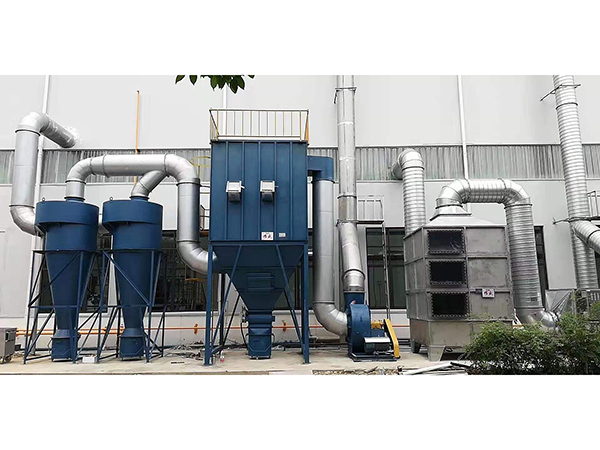
Fermentation waste gas treatment equipment and solutions
The commonly used method is to employ low-temperature plasma waste gas treatment equipment.
The low-temperature plasma technology employs the dual-medium barrier discharge technology. When the applied voltage reaches the discharge voltage of the gas, the gas is decomposed, forming a mixture of electrons, various ions, atoms and free radicals. During the discharge process, although the electron temperature is very high, the temperature of heavy particles is very low. The entire system presents a low-temperature state, thus it is called low-temperature plasma. The degradation of pollutants by low-temperature plasma utilizes these high-energy electrons, free radicals and other reactive particles and the pollutants in the exhaust gas to cause the pollutant molecules to decompose within a very short period of time and undergo various subsequent reactions, achieving the purpose of degrading the pollutants.
About
Introduction Case Company Honor CooperationProduct
Central dust collection (dust collection) system VOCs Waste Gas Treatment System Polishing system dust removal equipment Dust explosion-proof and explosion relief safety system Dust-free spray painting room Painting production line (floor conveyor line, suspended...News
Dynamic information Questionservice
ContactMr. Tian:+86 138-2693-5405

Mobile website
WeChat Official Account
